Why divers choose us
Purpose‑built wreck charter advantages.
Configured platforms for wreck‑focused diving
Each vessel in this fleet is configured specifically around wreck‑diving workflows rather than generic sightseeing, meaning deck plans emphasize clean gear staging zones, redundant entry points, and clear separation between wet and dry areas. Benches, hang points, and storage lockers have been arranged to make handling doubles, stages, and reels practical even in tight surface windows. Surface intervals are supported with shaded spaces, hot drinks, and equipment maintenance spots so teams can prepare for subsequent descents without feeling rushed. Lighting, ladders, and recovery setups are optimized for divers carrying technical configurations, cameras, or scooters, allowing controlled entries and exits even in chop or low‑visibility surface conditions.
Local wreck intelligence and navigation expertise
Charter routes are built around accumulated knowledge of regional shipwrecks and submerged structures, combining historical references with practical navigation tracks logged over multiple seasons. Crews know how to approach each site based on prevailing currents, seasonal changes, and traffic patterns, which increases the chance of accurate drop points and predictable ascent lines. Briefings outline hull orientation, likely silt pockets, and fragile sections so divers can prioritize safe circuit patterns and maintain visibility for the entire team. When conditions shift, alternative sites are pre‑planned so the day’s objectives stay realistic without compromising safety, whether the aim is documenting a particular bow section or simply experiencing a first wreck descent.
Support for both recreational and technical profiles
Trips are structured to accommodate a range of training backgrounds, from recreational divers completing their first wreck penetrations to experienced technical teams running staged decompression plans. Gear racks, fill logistics, and on‑board storage are designed to accept singles, twins, side‑mount rigs, and various stage configurations without forcing improvisation. Briefings differentiate between recreational and technical passes over a wreck, clarifying depth limits, recommended penetration zones, and appropriate time management for each profile. On‑surface routines such as checklists, buddy confirmations, and equipment inspections are encouraged but not rushed, so both styles of diving benefit from a repeatable, disciplined flow.
Safety‑driven planning and redundancy
Operational planning places safety and redundancy above spectacle, which means routes, schedules, and wreck selections are all filtered through realistic bottom time limits and decompression windows. Boats carry backup navigation instruments, communication equipment, and contingency supplies for unexpected delays or weather shifts. Surface teams support divers with timekeeping, gas tracking, and emergency response readiness, while clear signals are agreed before each descent. This approach allows exploration of complex structures without sacrificing conservative margins, giving divers confidence that conditions on the surface are under control while they focus on the wreck below.
Flexible charter formats and transparent costs
Whether the objective is a single half‑day exploration or a multi‑day series of wreck dives, charters can be booked in formats that align with team size, training plans, and weather windows. Pricing is laid out clearly before confirmation, including fuel, crew, and port fees so groups can allocate budgets without guessing. Routes and time slots are adapted around tides, forecasts, and traffic, and communication remains open as conditions evolve. This flexibility is particularly valuable for visiting teams and training agencies who need to integrate classroom sessions, equipment preparation, and multiple dive days into coherent schedules based out of Naples.
Integration with local maritime and harbor services
Operating from an active harbor allows direct access to repair services, local suppliers, and harbor support when charters extend over several days. Equipment issues can be addressed between dives, from minor hose replacements to more involved maintenance, without derailing the plan. Local knowledge extends beyond wreck locations to include port procedures, traffic patterns, and nearby service providers that help keep charters running consistently. For diving groups, this translates into smoother logistics, reliable departure windows, and realistic expectations about what can be achieved in any given weather system or season.
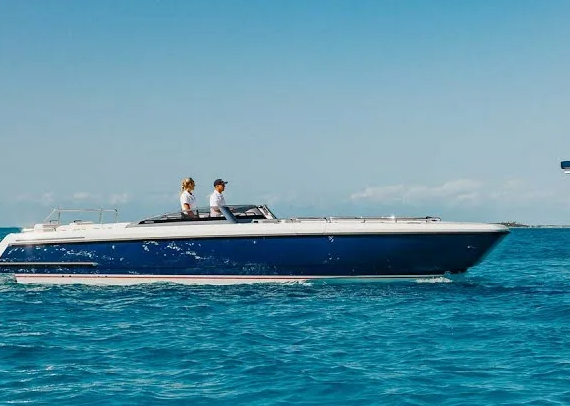
Deck layouts • Gear staging
Vessels are mapped out to accommodate camera rigs, reels, and spare equipment without obstructing primary pathways, so divers can move between benches, ladders, and platforms with minimal contact and predictable footing.
These layouts reduce pre‑dive stress and help maintain clear communication on deck, especially when multiple teams are preparing for successive wreck descents on the same route.