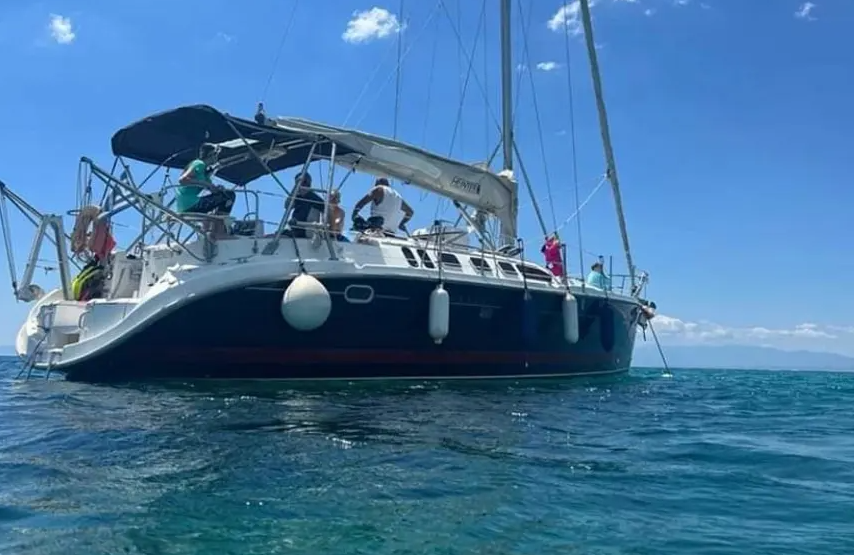
On‑board comfort • Briefing spaces
Cabins and saloons are arranged to allow detailed route briefings and post‑dive debriefs in quiet spaces away from gear zones, giving divers room to review maps, plan future descents, and manage logs.
Multi‑day trips benefit from this separation of functional areas, keeping living zones free from equipment clutter while maintaining quick access to deck operations when needed.
About the charter operation
A wreck‑driven charter built around divers’ routines.
This wreck‑oriented charter concept grew out of repeated experiences on general‑purpose boats that were not fully aligned with technical and wreck divers’ requirements. Founders brought together local skippers, experienced wreck explorers, and logistical planners to design routes, deck layouts, and on‑board routines that feel natural to divers who live by checklists and structured briefings. Rather than chasing random sites, expeditions are organized around specific hulls, cargo fragments, and structural features that reward slow, methodical exploration. Attention to how divers move, gear up, and decompress informs everything from ladder placement to hot drink stations, making each trip feel like an extension of carefully planned dives rather than a generic tour.
Collaboration with local harbor staff and regional maritime enthusiasts has added depth to route planning, providing insight into lesser‑known wrecks and submerged structures that do not always appear in standard guidebooks. Seasonal patterns, water temperatures, and visibility trends are monitored so charters can recommend realistic time windows for particular objectives, including deep bows, collapsed cargo sections, or scattered debris fields. This long‑view perspective helps returning teams build multi‑season projects around documentation, photography, or training progression while still leaving room for exploratory dives when conditions permit.
The charter maintains an emphasis on clear communication, encouraging divers to share expectations regarding training goals, camera work, or personal limits before routes are finalized. That openness supports balanced decisions about which wrecks to attempt on a given day and how to structure ascent plans. On‑board, the crew remains focused on reliable timekeeping, watchful surface support, and practical assistance rather than pushing divers beyond comfortable margins. Over time, this combination of consistent operations and respect for individual goals builds trust, making the harbor in Naples a recurring base for groups developing their own wreck portfolios in the region.